Grade 12 , Nguyen Trai - Ba Dinh High School, Hanoi

Learning through
observation, adjustment,
and being honest
with mistakes

I learn best in environments where I can observe carefully, reflect on what is happening and adjust my thinking over time. I don't see mistakes as something to avoid, but as part of the learning process.

This mindset shapes how I approach research, teamwork, and my academic interests. Instead of trying to get things right immediately, I focus on understanding what is actually happening and why.

Through conversations with more than 150 basketball players and one major pivot in my research, I learned an important lesson: problem-solving is not about starting with the right answer. It is about realising when the original question was wrong. The most meaningful problems are often the ones the data forces us to notice, not the ones we expect at the beginning.

150+

Participants

Survey participants across Hanoi's student sports community

2

years

Sustained involvement in research and community activities

IELTS

7.0

+0.52 GPA improvement in 4 months

Grade 12 , Nguyen Trai - Ba Dinh High School, Hanoi

Learning through observation, adjustment, and being honest with mistakes

I learn best in environments where I can observe carefully, reflect on what is happening and adjust my thinking over time. I don't see mistakes as something to avoid, but as part of the learning process.

This mindset shapes how I approach research, teamwork, and my academic interests. Instead of trying to get things right immediately, I focus on understanding what is actually happening and why.

Through conversations with more than 150 basketball players and one major pivot in my research, I learned an important lesson: problem-solving is not about starting with the right answer. It is about realising when the original question was wrong. The most meaningful problems are often the ones the data forces us to notice, not the ones we expect at the beginning.

150+

Participants

Survey participants across Hanoi's student sports community

2

years

Sustained involvement in research and community activities

IELTS

7.0

+0.52 GPA improvement in 4 months

Grade 12 , Nguyen Trai - Ba Dinh High School, Hanoi

Learning through
observation, adjustment,
and being honest with mistakes

I learn best in environments where I can observe carefully, reflect on what is happening and adjust my thinking over time. I don't see mistakes as something to avoid, but as part of the learning process.

This mindset shapes how I approach research, teamwork, and my academic interests. Instead of trying to get things right immediately, I focus on understanding what is actually happening and why.

Through conversations with more than 150 basketball players and one major pivot in my research, I learned an important lesson: problem-solving is not about starting with the right answer. It is about realising when the original question was wrong. The most meaningful problems are often the ones the data forces us to notice, not the ones we expect at the beginning.

150+

Participants

Survey participants across Hanoi's student sports community

2

years

Sustained involvement in research and community activities

IELTS

7.0

+0.52 GPA improvement in 4 months

About

Data becomes meaningful
only when grounded
in human context

Data becomes meaningful
only when grounded
in human context

Balancing academic pressure, long-term medical routines and team responsibilities has shaped how I observe the world. I don't experience these as separate challenges. Instead, I see them as connected parts of a system that people navigate every day.

Leading a basketball team helped me understand how people behave under pressure. Researching a coordination problem showed me how easily assumptions can be misleading when they are not tested. Together, these experiences led me to the same question: how do individual choices interact with the systems around them?

How I think

I am most comfortable learning in situations where there are no fixed answers. I start by observing what people actually do, not what models or plans predict. When evidence contradicts my assumptions, I adjust my thinking instead of defending the original idea. For me, progress comes from careful observation and reflection over time, not from avoiding mistakes or trying to appear correct.

What drives me

I learn a lot from ordinary situations: organising a basketball game, keeping a team together during exam season, or maintaining a daily routine. These small activities reveal how systems work when things don't go perfectly. When mistakes are not hidden but examined honestly, they become useful. That is where learning happens for me, through paying attention to what goes wrong and why.

Where I'm headed

I want to explore how economic reasoning and analytical frameworks can help communities make better decisions under limited resources. I am especially interested in how these tools apply to real situations, reflecting how people actually live, adapt, and make choices, rather than abstract models alone.

How I think

I am most comfortable learning in situations where there are no fixed answers. I start by observing what people actually do, not what models or plans predict. When evidence contradicts my assumptions, I adjust my thinking instead of defending the original idea. For me, progress comes from careful observation and reflection over time, not from avoiding mistakes or trying to appear correct.

What drives me

I learn a lot from ordinary situations: organising a basketball game, keeping a team together during exam season, or maintaining a daily routine. These small activities reveal how systems work when things don't go perfectly. When mistakes are not hidden but examined honestly, they become useful. That is where learning happens for me, through paying attention to what goes wrong and why.

Where I'm headed

I want to explore how economic reasoning and analytical frameworks can help communities make better decisions under limited resources. I am especially interested in how these tools apply to real situations, reflecting how people actually live, adapt, and make choices, rather than abstract models alone.

Projects

One problem. Two hypotheses.

One honest pivot.

One problem.
Two hypotheses.
One honest pivot.

One problem. Two hypotheses.

One honest pivot.

Hypothesis 1.0: Wrong

Hypothesis 1.0: Wrong

SmartCourt AI

"The problem is matching. Players need an algorithm to find the right court, time, and opponents." Survey designed around preferences. Assumed players already existed in sufficient numbers.

"The problem is matching. Players need an algorithm to find the right court, time, and opponents." Survey designed around preferences. Assumed players already existed in sufficient numbers.

Discovery: Data Corrected

Discovery: Data Corrected

RunItBack Hanoi

"67% of games cancelled because not enough people showed up, not because of bad matching. The real problem: coordination, not optimization." Pivot to chatbot-based coordination.

"67% of games cancelled because not enough people showed up, not because of bad matching. The real problem: coordination, not optimization." Pivot to chatbot-based coordination.

Learning insight

The pivot happened because I treated the wrong hypothesis as something to learn from, not hide from. Growth came from observing what players actually did, then adjusting the solution honestly.

Phase 1: Research & Chatbot Prototype

RunItBack Hanoi

Through the AI Young Guru competition, I worked with a team of three to examine why competitive practice games in Hanoi, a city with over 200 courts, were difficult to organise.

After surveying and speaking with more than 150 students, a clearer pattern emerged. Games often could not happen, not because of poor facilities or mismatched skill levels, but because it was hard to get enough people to commit at the same time. Group chats with 20 members went quiet. Matches fell apart when nine players confirmed and one never replied.

Product Direction: Chatbot

We chose a chatbot as the product format: a conversational interface where players can announce pickup games, check who's available now, and coordinate in real time, reducing the friction of group chat coordination without requiring a full app download or behavior change.

67%

Games cancelled due to missing players the insight that changed everything

89%

Frustrated with group chat coordination the pain point we target

1 pivot

From optimization algorithm to chatbot coordination driven by data, not assumption

Read full project & Process
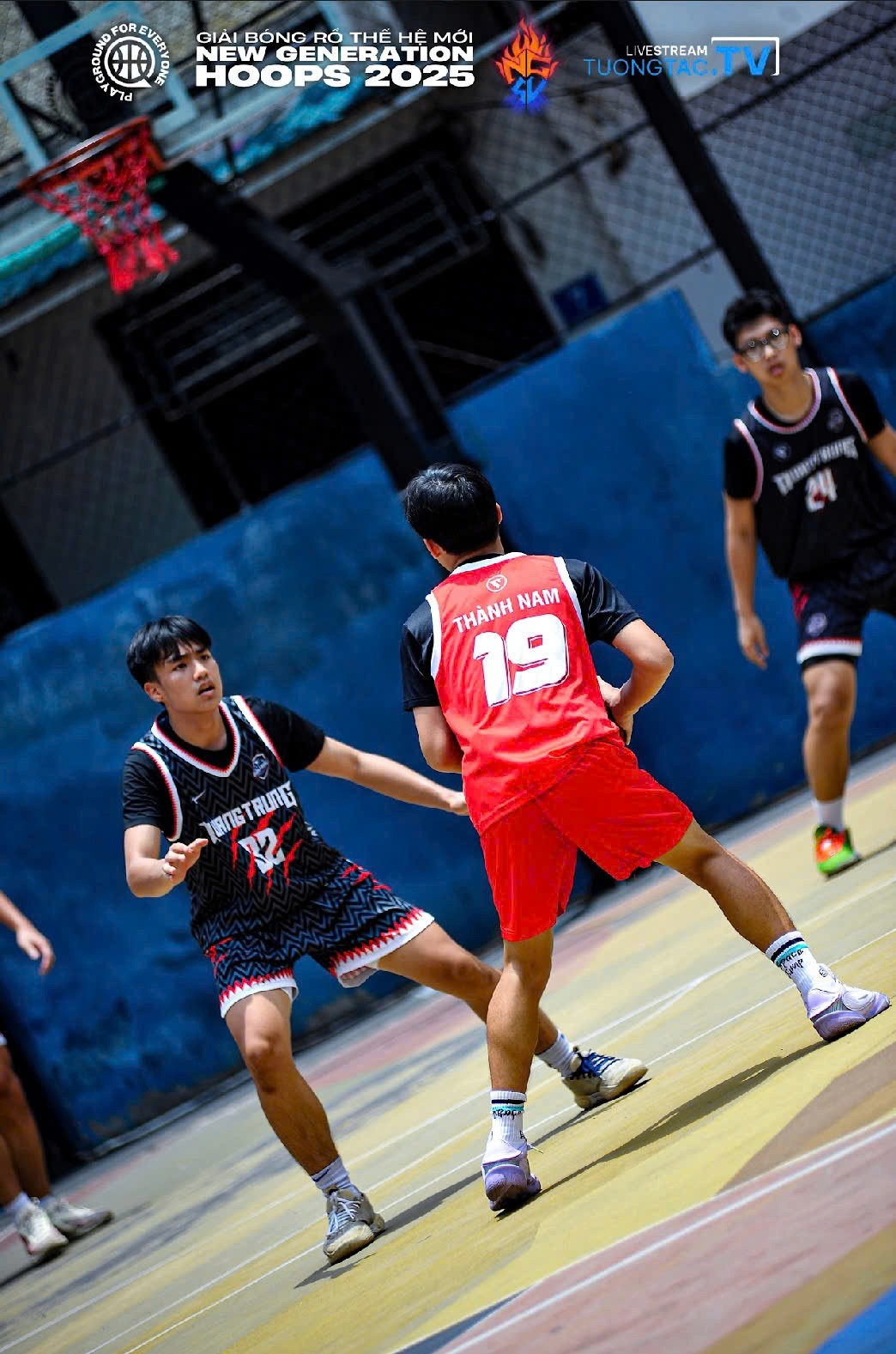
Despite academic pressure and limited practice time, building coordination through trust and shared experience in competitive moments.

Leadership

Leading a team under pressure

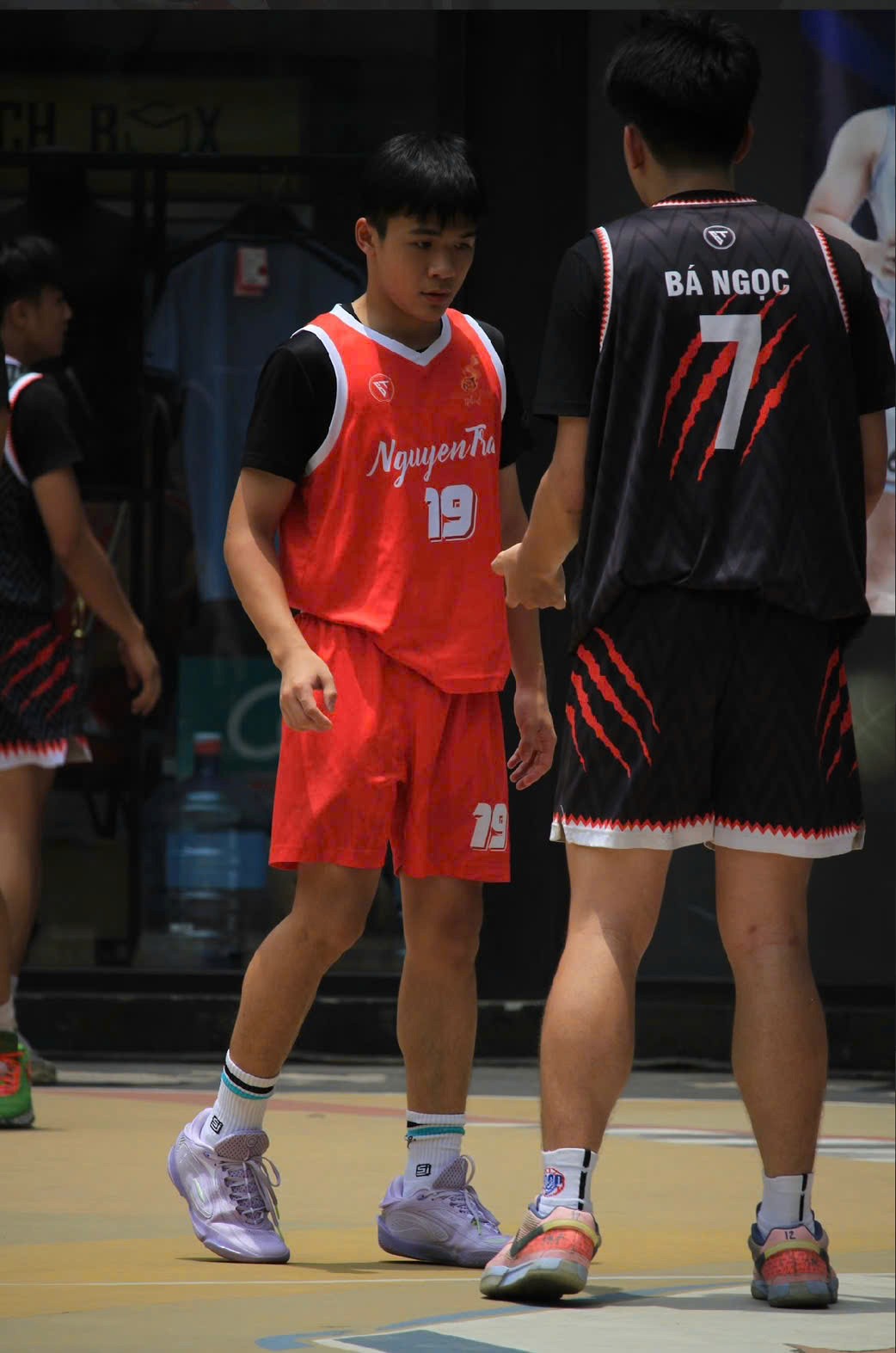
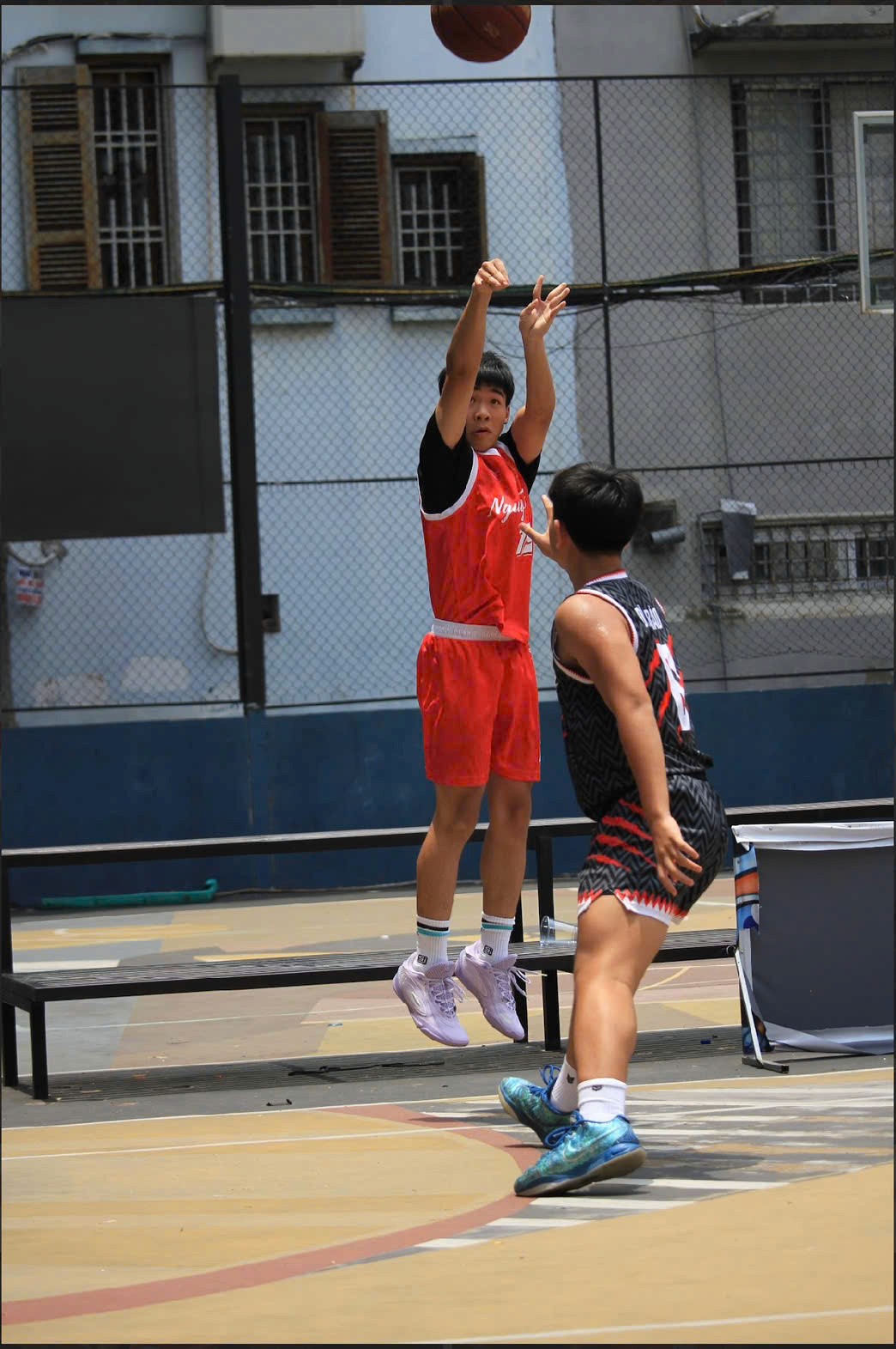
At Nguyen Trai High School, I captained the basketball team Toa Sang. Because of frequent extra classes and exam preparation, we rarely practiced with a full roster before tournaments. In games, this often showed not in skill gaps, but in moments when pressure disrupted our coordination.

Over time, I learned that staying composed under pressure depended less on tactics and more on how teammates supported one another when things became stressful.

Rather than focusing only on drills, I spent time understanding my teammates’ situations off the court, their academic workload, exam stress, and family expectations. When someone missed practice due to exams, I avoided criticism. Instead, I encouraged them to see basketball as a mental reset rather than another obligation.

Gradually, the court became a shared space for release, not additional pressure. That shift changed how players showed up, mentally as much as physically.

Role assignment by temperament

When assigning roles, I looked beyond technical ability to individual temperament. Calmer players were placed in defensive positions to stabilise the team during tense moments. More energetic players took roles that lifted morale during transitions.

These choices were not fixed. They were adjustments based on observing how people responded under pressure. Keeping the team balanced both emotionally and tactically proved just as important as any play we ran.

2nd Prize

2nd Prize

School Championship 2025

School Championship 2025

3rd Prize

3rd Prize

School Championship 2026

School Championship 2026

8 years

6 yrs

Training at Ty Lee Club

Training at
Ty Lee Club

Resilience

Discipline
built quietly

Some commitments cannot be measured by visible results. Over time, consistency itself became the lesson.

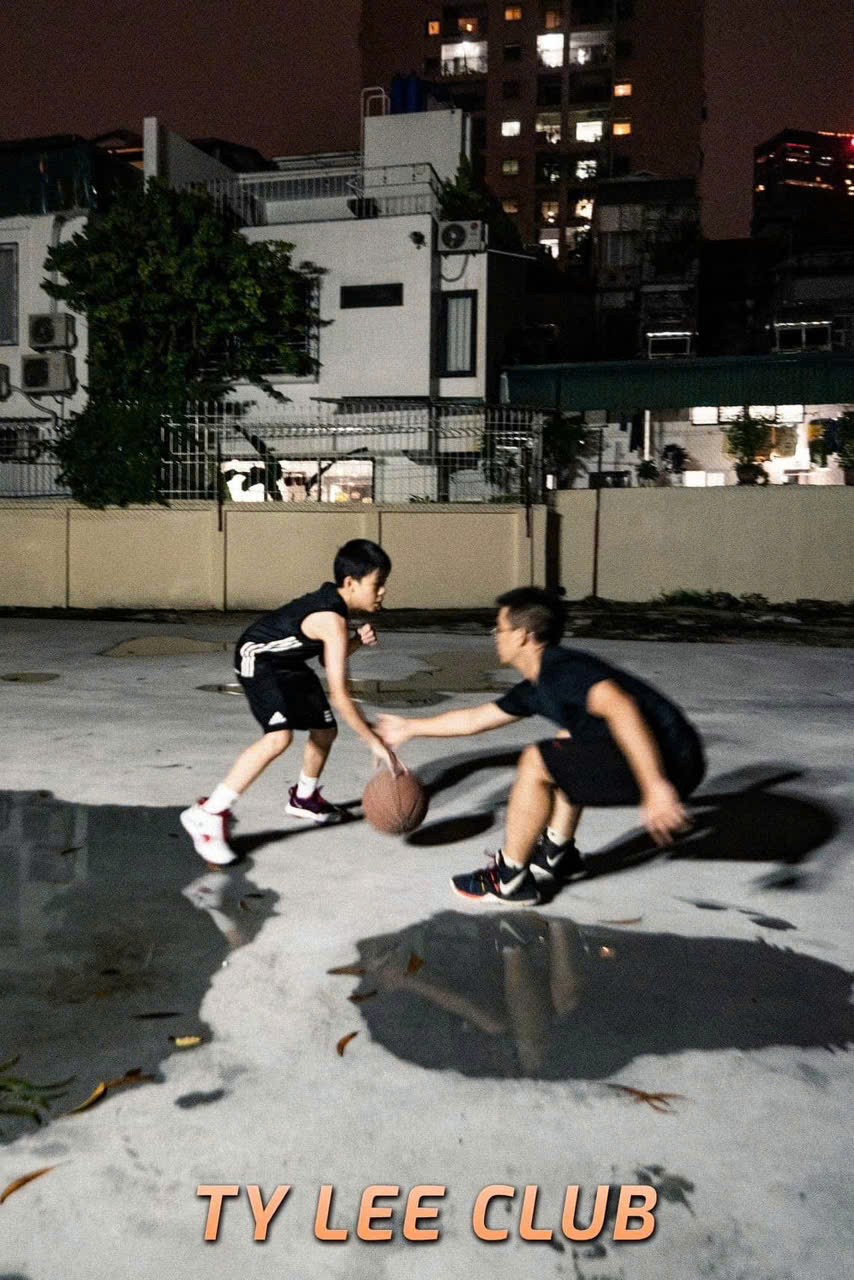
12 months of daily routine

Regardless of holidays or fatigue, I followed a fixed daily routine for 12 months. The work was repetitive and progress was rarely visible in the short term. Most days felt the same, with no clear milestones to mark improvement.

Through this experience, I learned that resilience is not defined by dramatic breakthroughs. It is built through the steady completion of small tasks, especially when there is no immediate feedback or reward for continuing.

Service
Service
Service
Service
Service
Service

Responsibility without recognition

Caring for abandoned a cat later taught me what daily responsibility looks like in practice. The routine is simple but unforgiving: feeding, cleaning, and regular care, repeated every day. There is no recognition attached to it, only the expectation that it gets done.

From this experience, and from helping organise local basketball activities, I began to notice a pattern. Community connections are not formed through one time efforts, but through small, repeated actions. Over time, I realised that shared systems don’t last because of big moments. They last because people keep showing up, even when no one is paying attention.

Academic direction

These experiences shaped how I think about what I want to study. I am interested in how analytical frameworks can help explain everyday coordination problems — how people make choices, share limited resources, and respond to constraints around them.

I hope to study Economics alongside social perspectives, using data not as an abstract tool, but as a way to understand real human behavior within communities.

See full article

Perspectives

The people I have worked alongside
Ty Lee

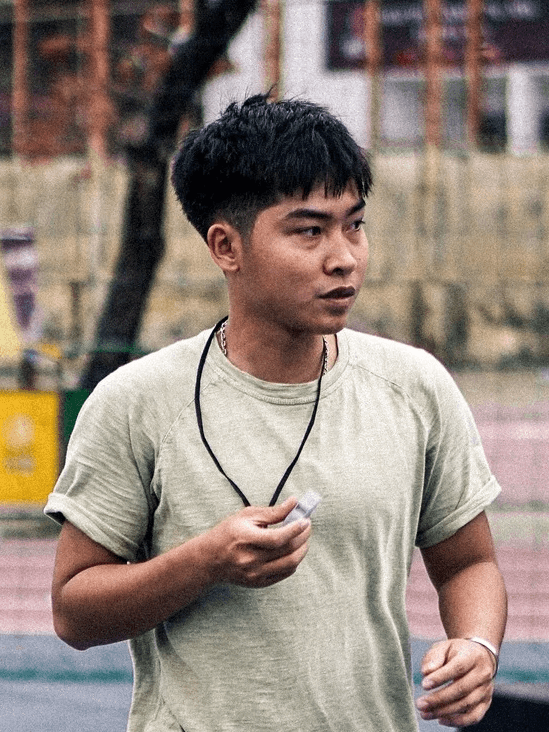
Fundamentals Coach, 8 years

Trained under Ty Lee from primary school through high school, focusing on basketball fundamentals and long-term skill development. Worked through multiple training cycles, adjusting techniques as physical conditions and competition levels changed.
Nguyen Tai Anh Minh

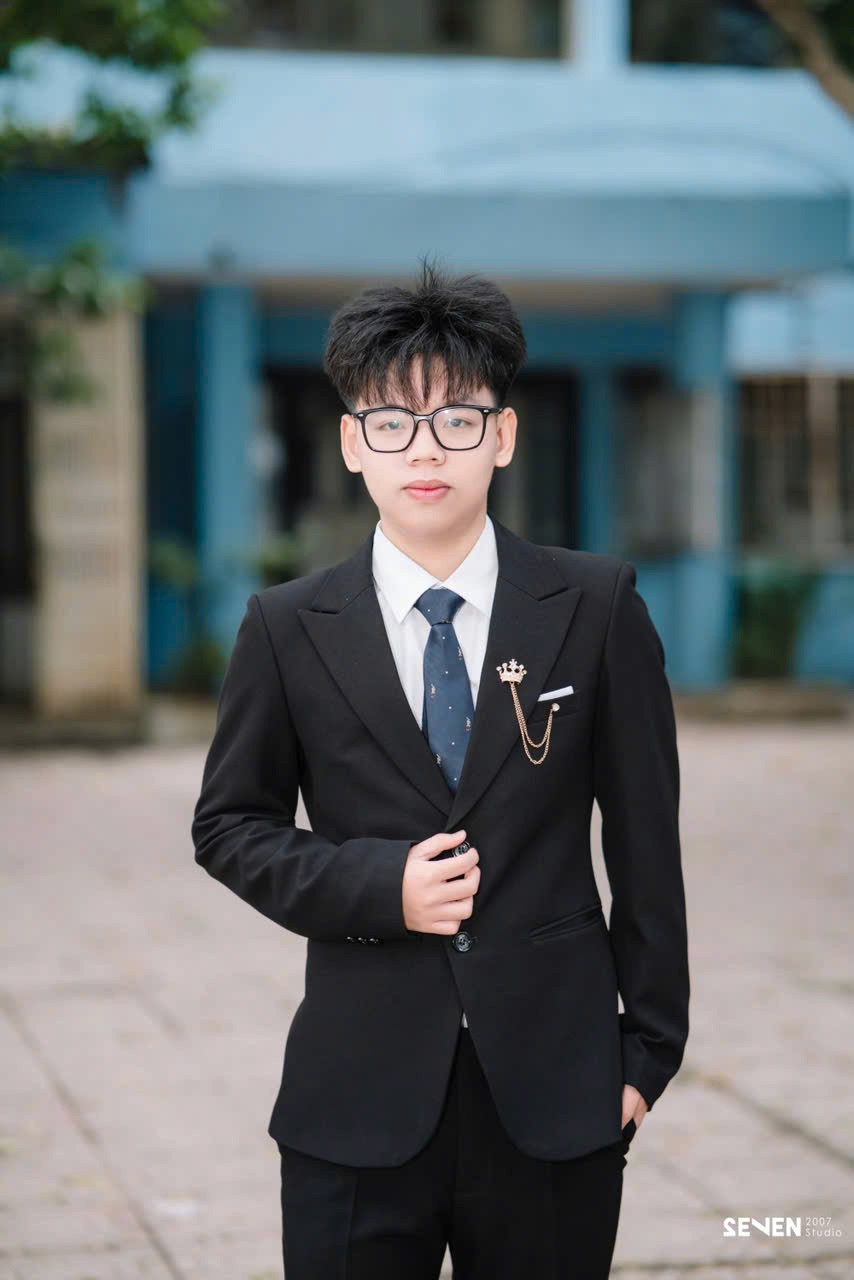
Teammate "Toa Sang" Basketball Team

Played together since middle school. As part of the Nguyen Trai High School team, we competed through two tournament seasons, achieving 2nd Prize (2025) and 3rd Prize (2026) while balancing academic pressure and limited practice time.
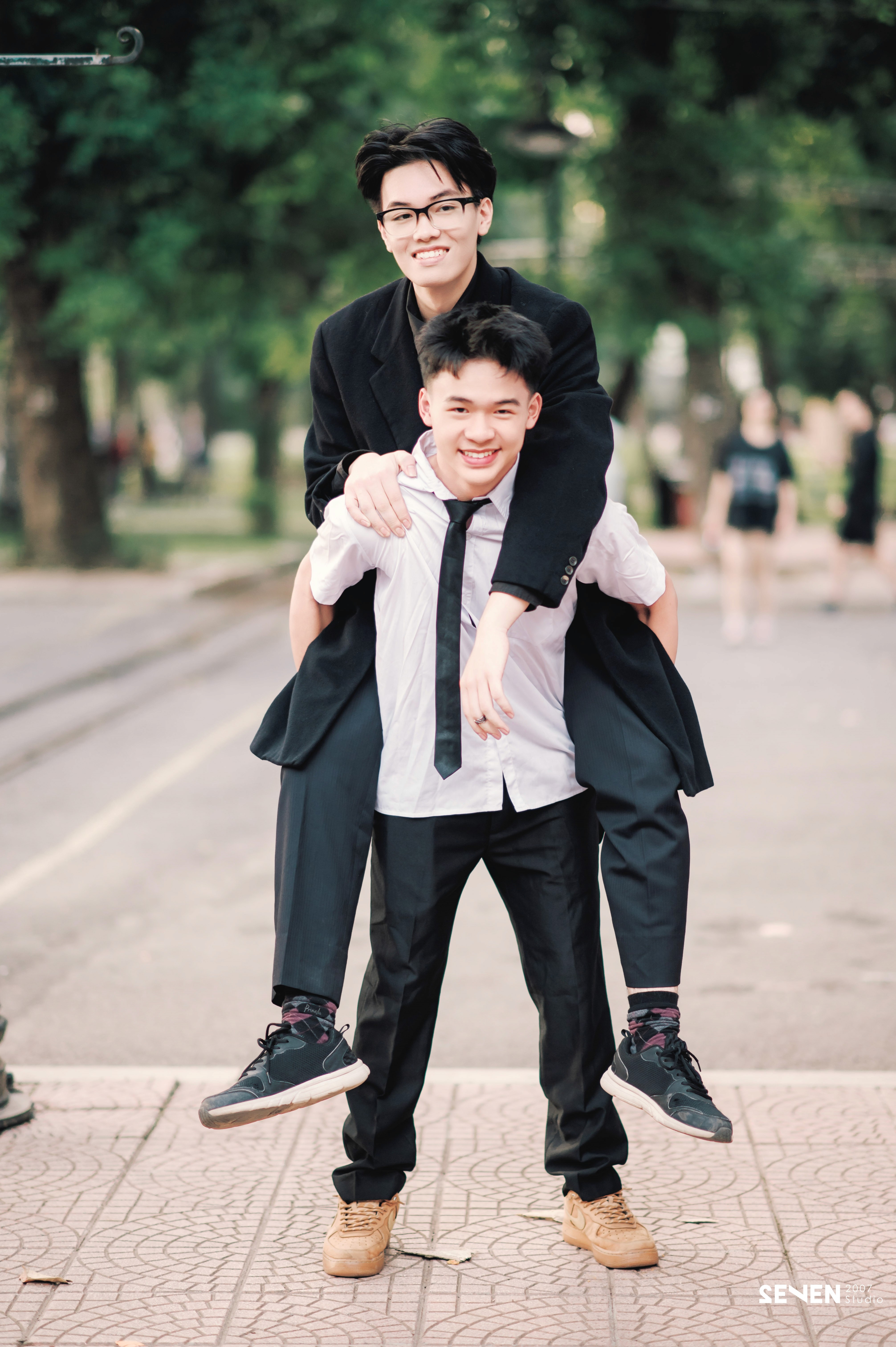
Nguyen Ky Anh

Project Partner RunItBack Hanoi

Collaborated on an early-stage research project that later pivoted from SmartCourt AI to RunItBack Hanoi. Worked together through survey design, user interviews, and reframing the problem based on data collected from over 150 students.