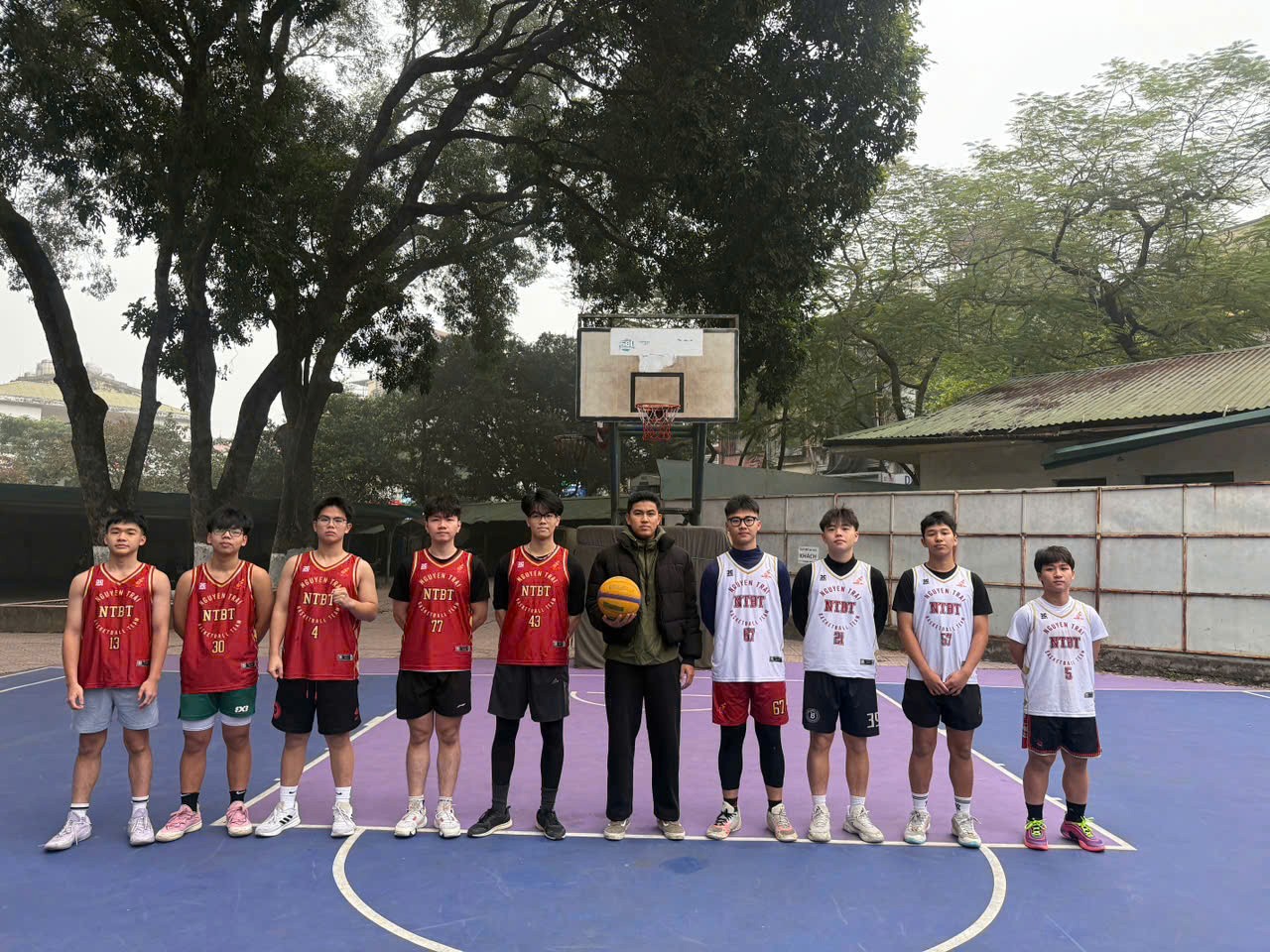
Despite academic pressure and limited practice time, building coordination through trust and shared experience in competitive moments.
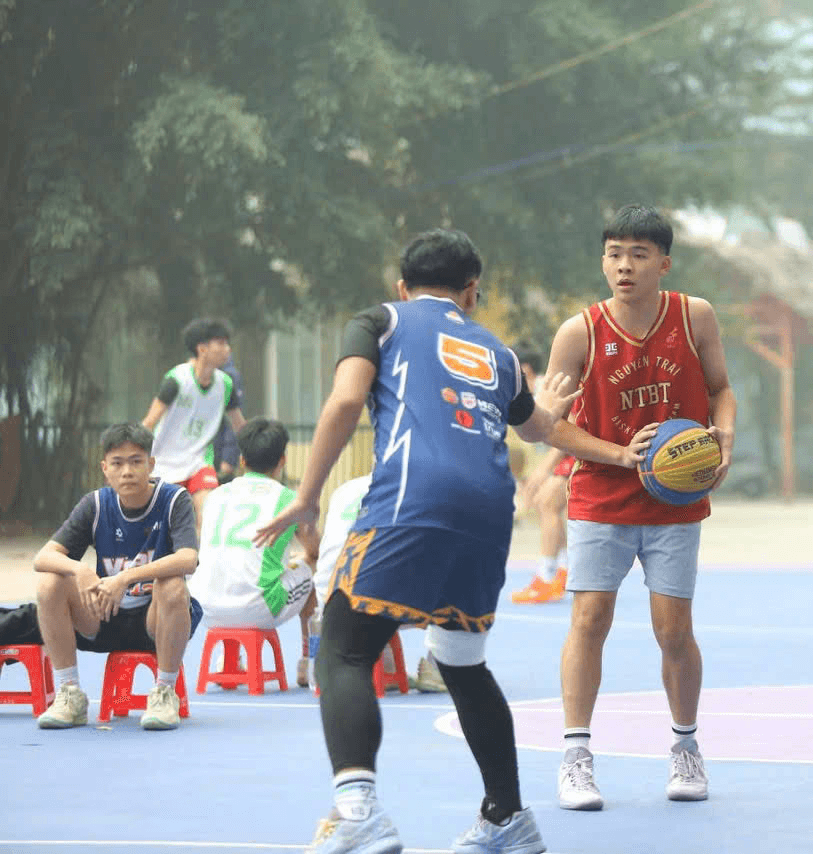
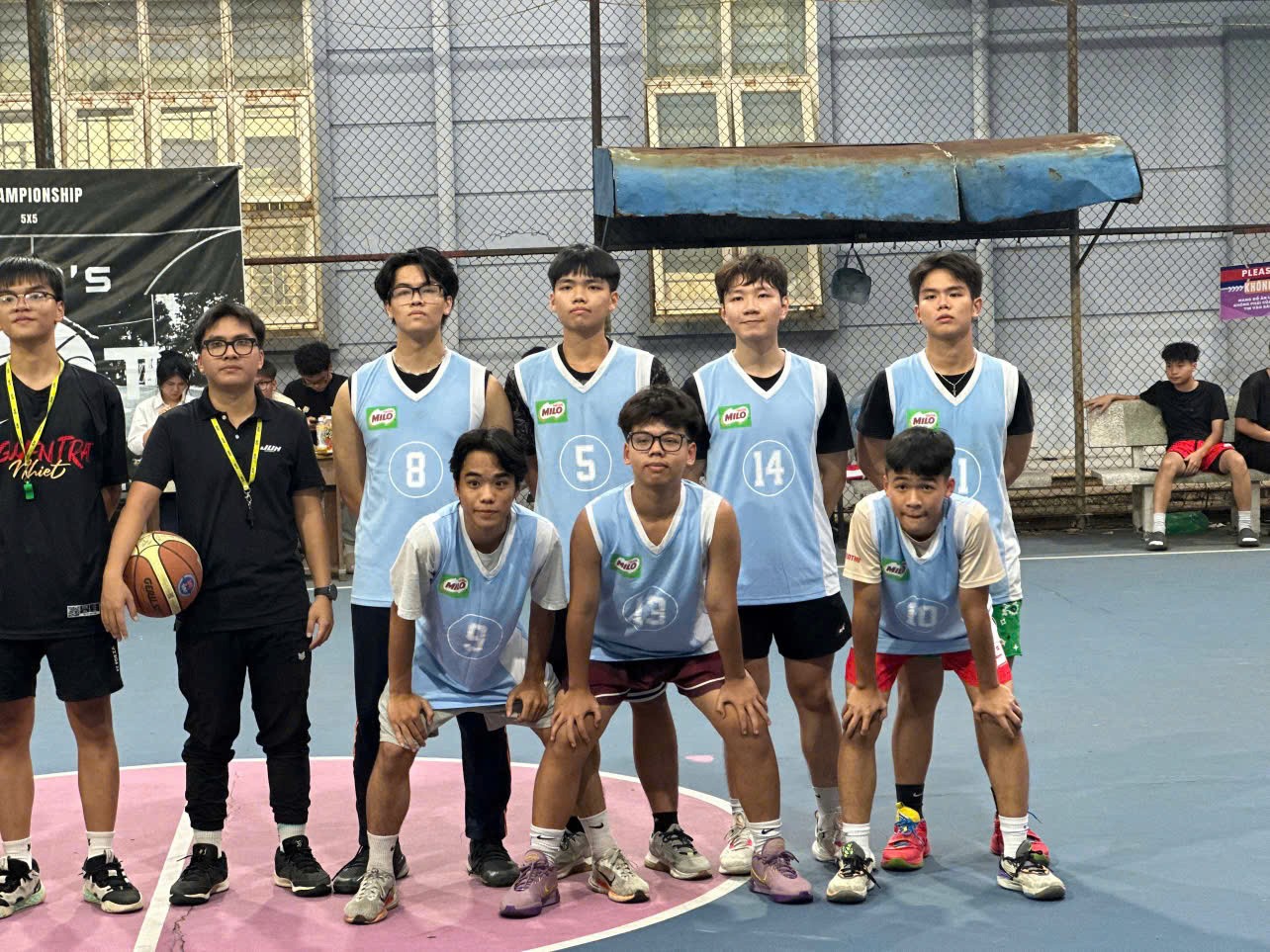
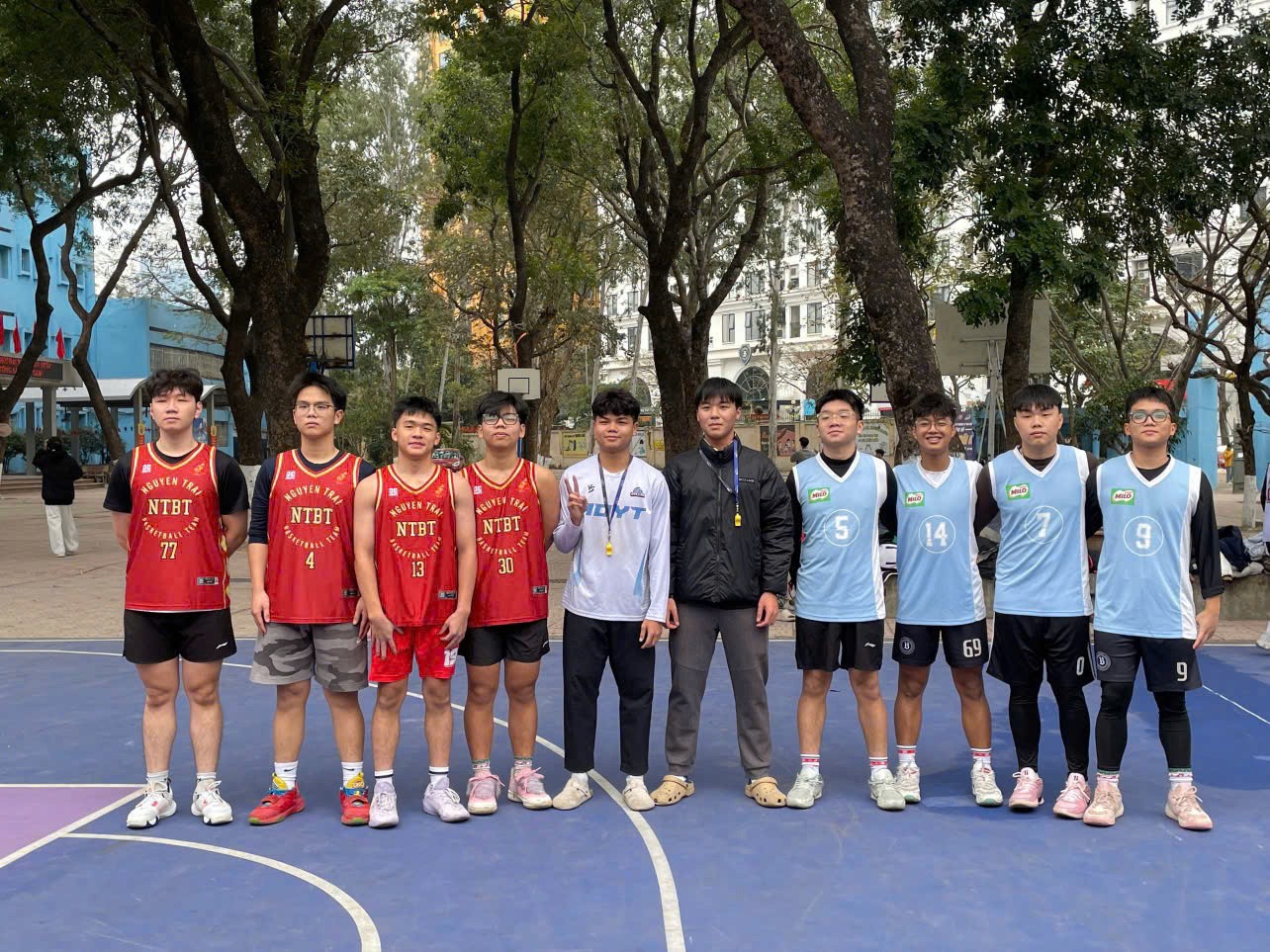
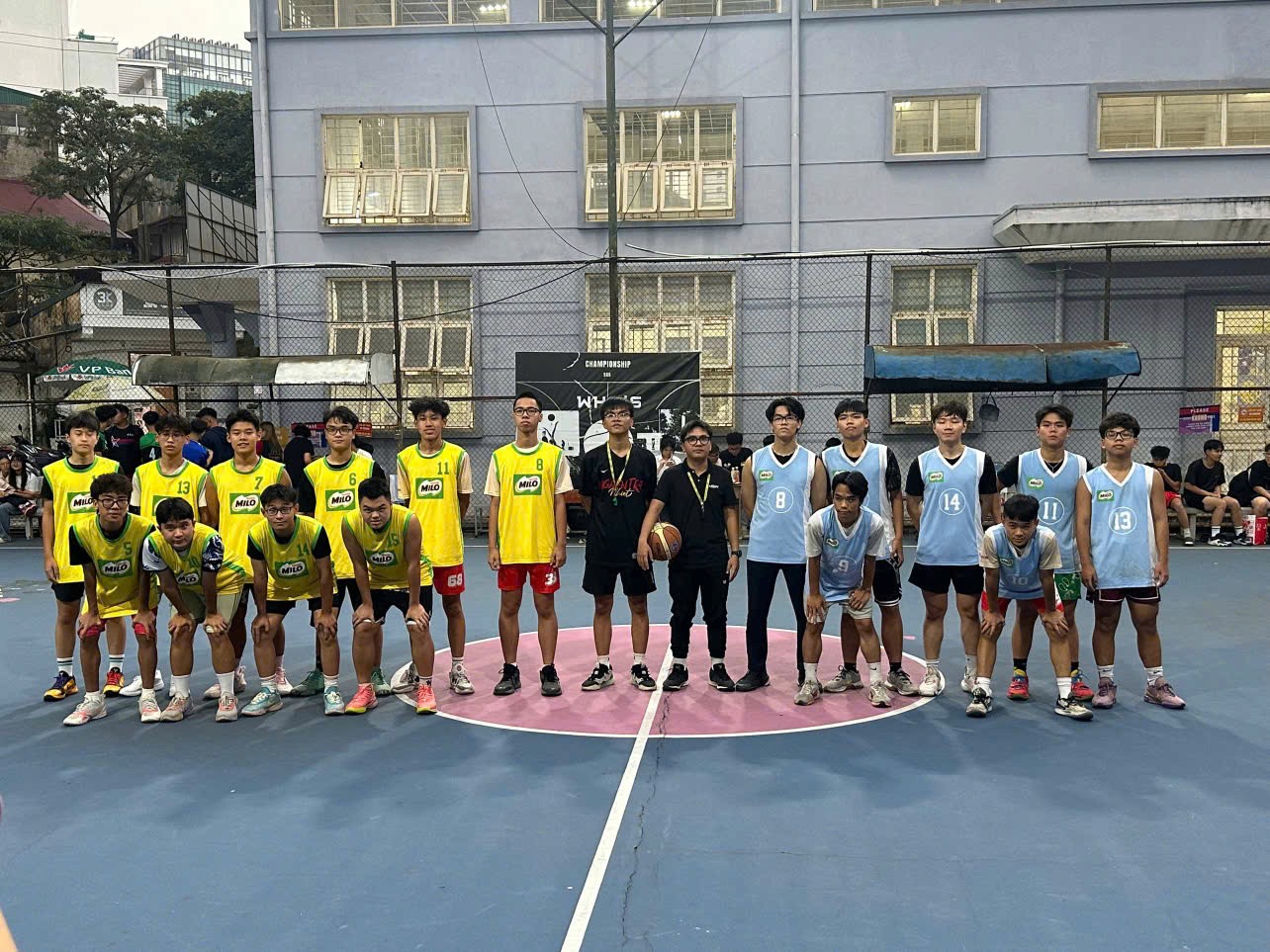
At Nguyen Trai High School, I served as captain of the basketball team Toa Sang ("Shine"). We had capable players with very different personalities, and all of us were under constant academic pressure from a public school schedule. Because of extra classes and exam preparation, we rarely practiced with a full roster before tournaments. As a result, our play often lacked coordination, especially in close games toward the end.
One of my closest teammates, Nguyen Tai Anh Minh, has played alongside me since middle school. We registered for tournaments together, lost together, and learned to rely on each other's judgment through countless pressure filled matches. This kind of long term partnership taught me that team strength comes from shared experience, not just shared skill.
Over time, I learned that tactical instructions only worked when teammates felt mentally connected. In high pressure moments, our rhythm depended less on individual skill and more on whether players felt supported and willing to trust one another.
Learning from Coach Ty Lee, Integrity and Respect
Over eight years training at Ty Lee Club, Coach Ty Lee created an environment where mistakes were part of learning, not something to hide from. He taught me that pressure should help us observe and adjust, not make us silent. He emphasized leading transparently, making decisions clear to everyone, and assigning roles fairly based on each player's strengths, not favoritism. When conflicts arose during intense training, he kept dialogue open rather than imposing solutions. This environment shaped how I later led Toa Sang, treating setbacks as information and creating space for the team to adjust honestly, especially during tournaments when academic pressure meant we rarely had full practices.
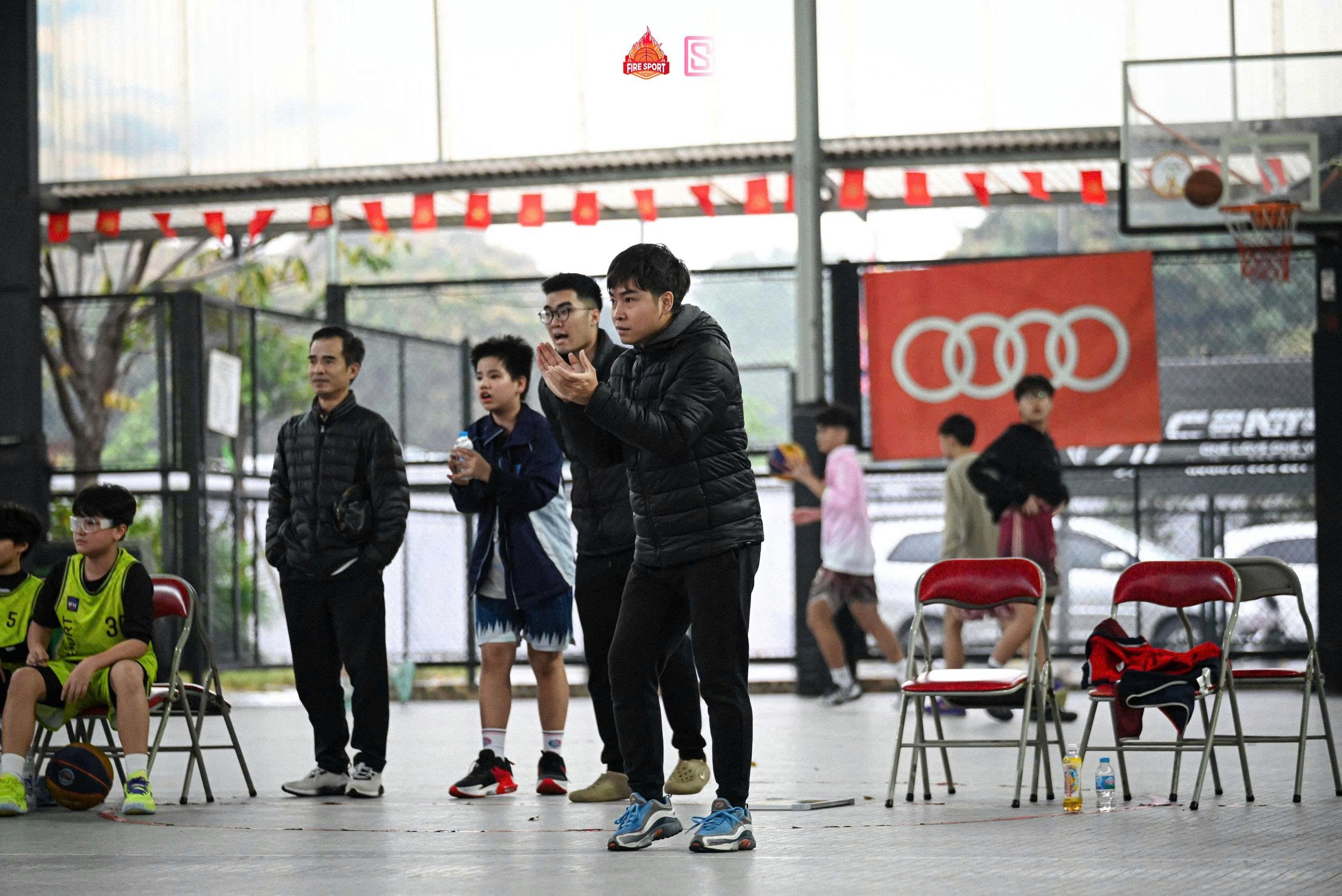
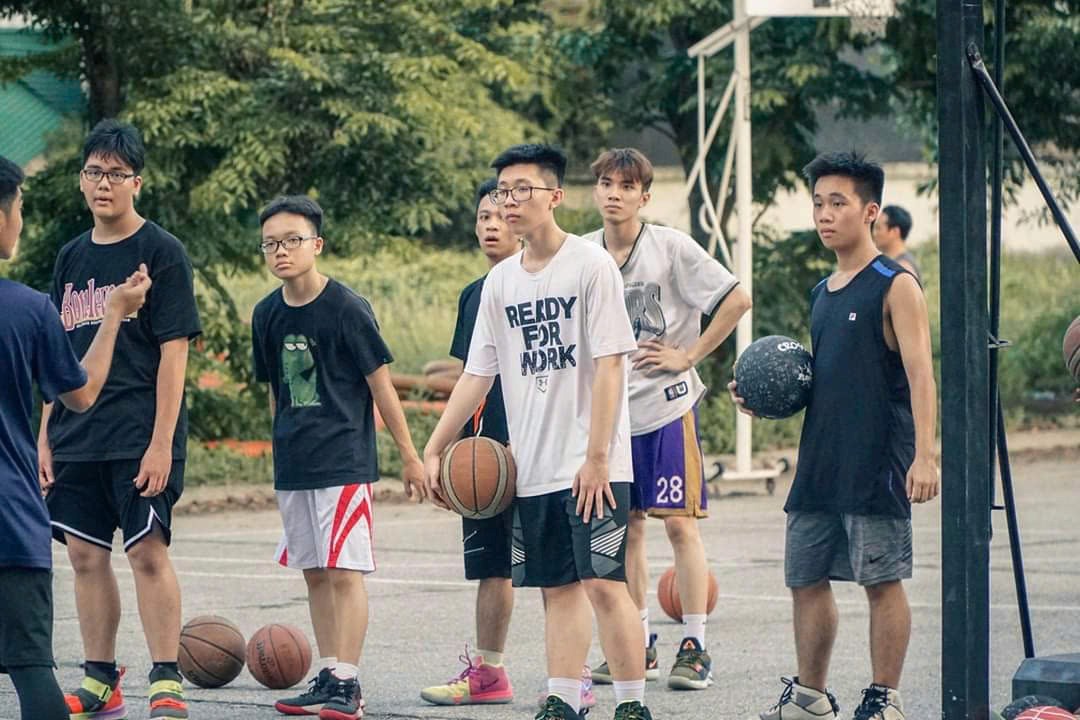
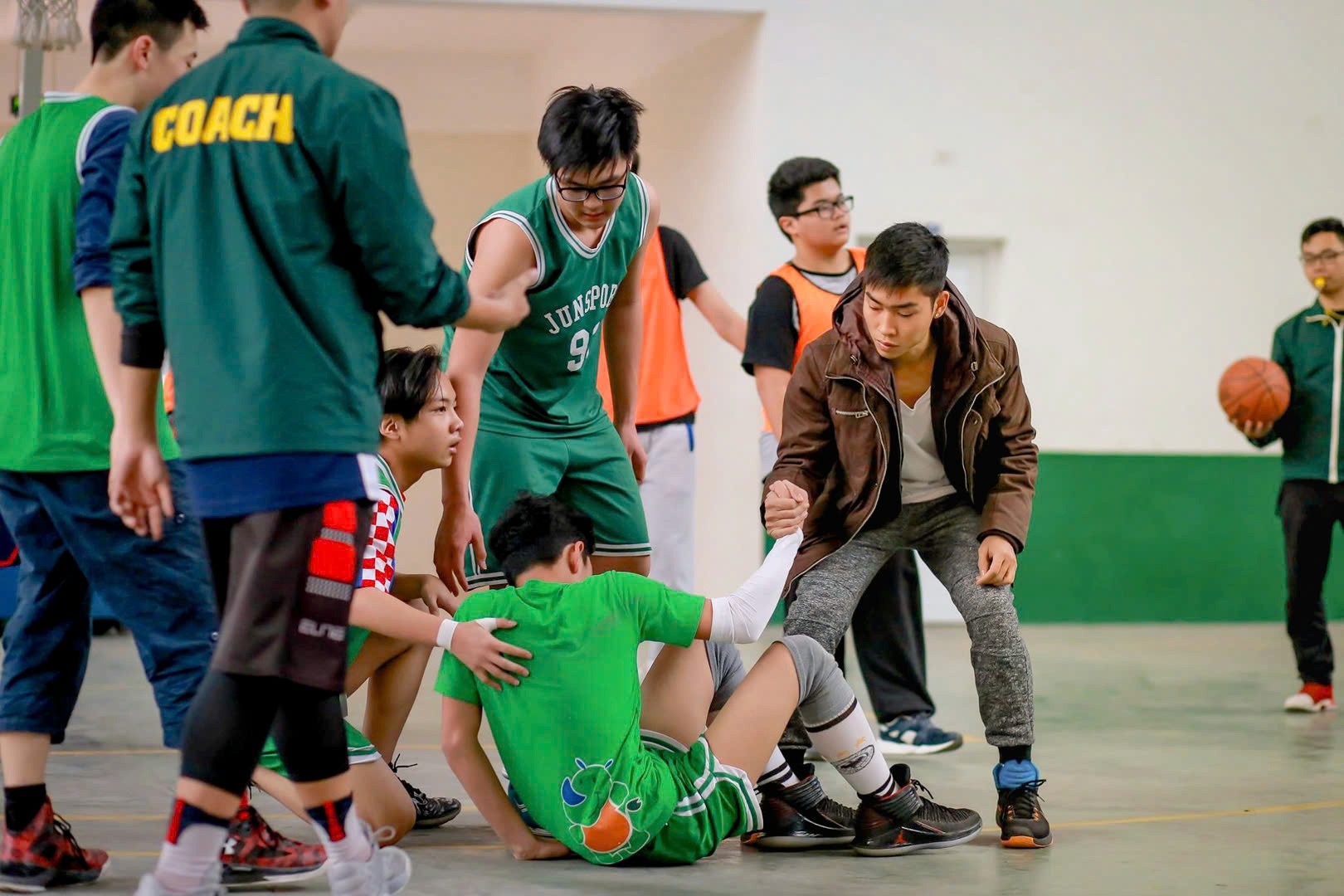
Coach Ty Lee Ty Lee Basketball Club, 8 years Training environment where mistakes were part of learning, shaping the leadership approach I later applied with Toa Sang.
Listening before directing
I didn't rely on the title of captain to lead. I started by listening. I talked with teammates about their exam schedules and family expectations. When someone missed practice, I didn't criticise them. Instead, I tried to understand the reason. I framed basketball as a mental reset after long study days, not another responsibility they had to carry. Gradually, the court felt less like added pressure and more like a shared break.
Staying composed in high pressure moments
In one tournament, we were down 10 points at halftime. Rather than forcing aggressive plays or panicking, I stepped back to observe our defensive patterns and noticed we were overcommitting. I stayed calm and showed empathy for my teammates' pressure. I refocused the team on rhythm, trusting our defensive rotations and taking smart shots. By staying composed and adjusting based on what I saw, we closed the gap to 2 points in the final minutes. Though we didn't win that game, the experience showed me that resilience under pressure comes from trust and coordination, not individual heroics. The key was treating the deficit as information, not failure.
Matching roles to temperament
When assigning roles, I looked beyond technical ability. I also studied recordings of past games to understand how different lineups performed under pressure, which combinations maintained tempo during close games, and which players provided stability when momentum shifted. Calmer players helped stabilise the team on defense during tense moments. More energetic players brought momentum during transitions. Roles weren't fixed by skill alone, but by how different personalities worked together. This helped the team stay balanced, emotionally as well as tactically.
With this approach, the team became more composed under pressure. We placed 2nd at the school championship in 2025 and 3rd in 2026. Our teacher commented that the team lived up to its name, "Toa Sang", not because of standout individuals, but because we stayed connected as a group.
This experience changed how I think about leadership. I no longer see it as performing better than others, but as creating conditions where everyone can contribute. Team strength doesn't come only from skill. It grows from understanding, trust, and small decisions made consistently over time.
2nd Prize
School Championship
2025
3rd Prize
School Championship
2026
6 yrs
Training at Ty Lee
Club