Some goals cannot be achieved through short bursts of effort. They require steady, daily commitment, even when progress is difficult to see.
For 12 months during middle school, I went through a personal challenge that required sustained
discipline. Regardless of holidays, weekends, or fatigue, I followed the same fixed routine each day. It was repetitive and often hard to maintain. There were no visible milestones to celebrate. Progress was slow, and most days felt almost identical.
Through this process, I learned that resilience is not built through dramatic moments. It comes from completing small, routine tasks consistently over time, and choosing to continue even when there is no immediate reward or confirmation that the effort is paying off.
Responsibility without recognition
Early in grade 11, I took in an abandoned cat, by chance, not by plan. Over the nearly two years
since, caring for it has shown me what daily responsibility actually looks like in practice.
The routine is simple but demanding: feeding, cleaning, and regular check-ups at the vet. None of it comes with recognition or praise. Responsibility here is measured only by consistency and follow through. No one is watching. The cat still needs it done, every day.
From this experience to helping organise local basketball activities, I began to notice the same
pattern. Community connections are built through small, repeated actions rather than one-time efforts. Showing up consistently, even for something quiet, is its own kind of contribution.
Listening before directing
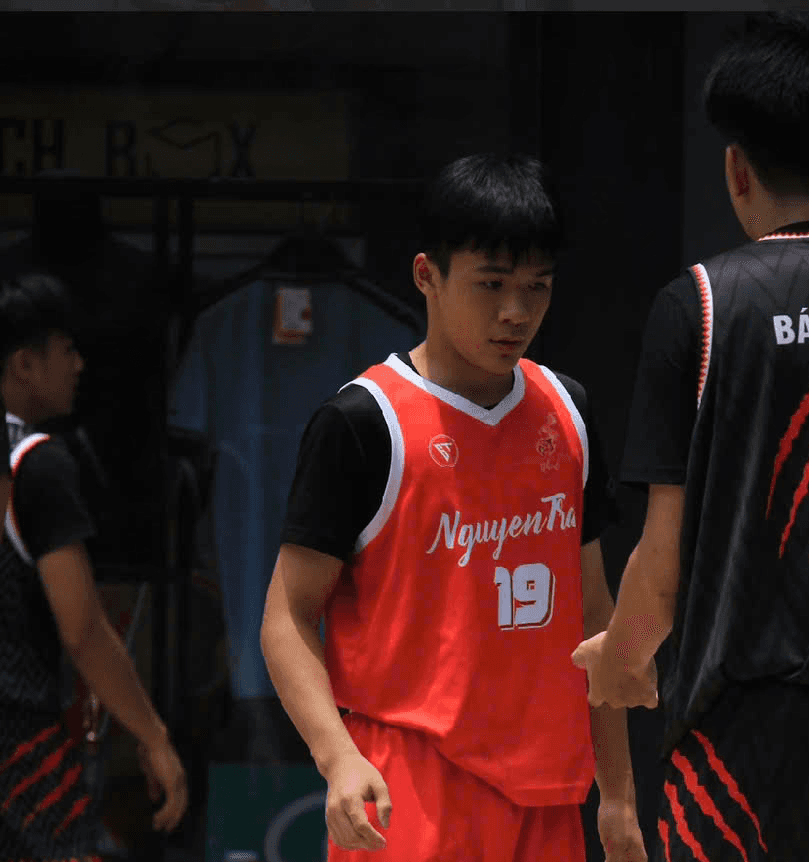
I didn't rely on the title of captain to lead. I started by listening. I talked with teammates about their exam schedules and family expectations. When someone missed practice, I didn't criticise them. Instead, I tried to understand the reason. I framed basketball as a mental reset after long study days, not another responsibility they had to carry. Gradually, the court felt less like added pressure and more like a shared break.
Academic direction
These experiences gradually shaped what I want to study and why. I want to explore how analytical frameworks can be used to understand resource allocation and
challenges at the community level, not as abstract theory, but as tools grounded in how
people actually live and make decisions.
I am particularly interested in how economic reasoning can explain the way individuals and groups navigate limited resources, and how small design choices can influence outcomes in everyday settings. Combining analytical thinking with an awareness of social responsibility feels like the right direction, one that connects the quieter lessons I've learned with the larger questions I want to ask.

"Resilience is not about dramatic moments. It is about completing small tasks consistently over time."